

Dry eye symptoms affect many people across the UK, and the good news is that with the right care, they can be effectively managed. Many people put up with uncomfortable, gritty or watery eyes for months, even years, without ever seeking help. If that sounds familiar, you are not alone, and you do not have to suffer in silence.
What Are Dry Eye Symptoms?
Dry eye occurs when either the watery part of your tear film is insufficient or when the oily layer that sits on top of it is not functioning properly. Without that oily layer doing its job, your tears evaporate too quickly, become too concentrated, and begin to irritate the surface of your eye. The result is a cycle of inflammation and discomfort that tends to worsen over time if left untreated.
Dry eye symptoms can vary quite a bit from person to person, but the most common ones include:
- A persistent gritty or scratchy sensation
- Eyes that feel tired, heavy or sore
- Redness or irritation, particularly towards the end of the day
- Blurred vision that comes and goes
- Watery eyes (yes, watering is actually a classic dry eye symptom - when the tear film breaks down, the eye floods with the watery part to compensate, but without the oily layer to hold it in place, it simply does not stick)
- Sensitivity to light, wind or air conditioning
If you recognise any of these, it is worth having your eyes properly assessed.
Why Do Dry Eye Symptoms Appear?
Your tear film is more complex than you might think.
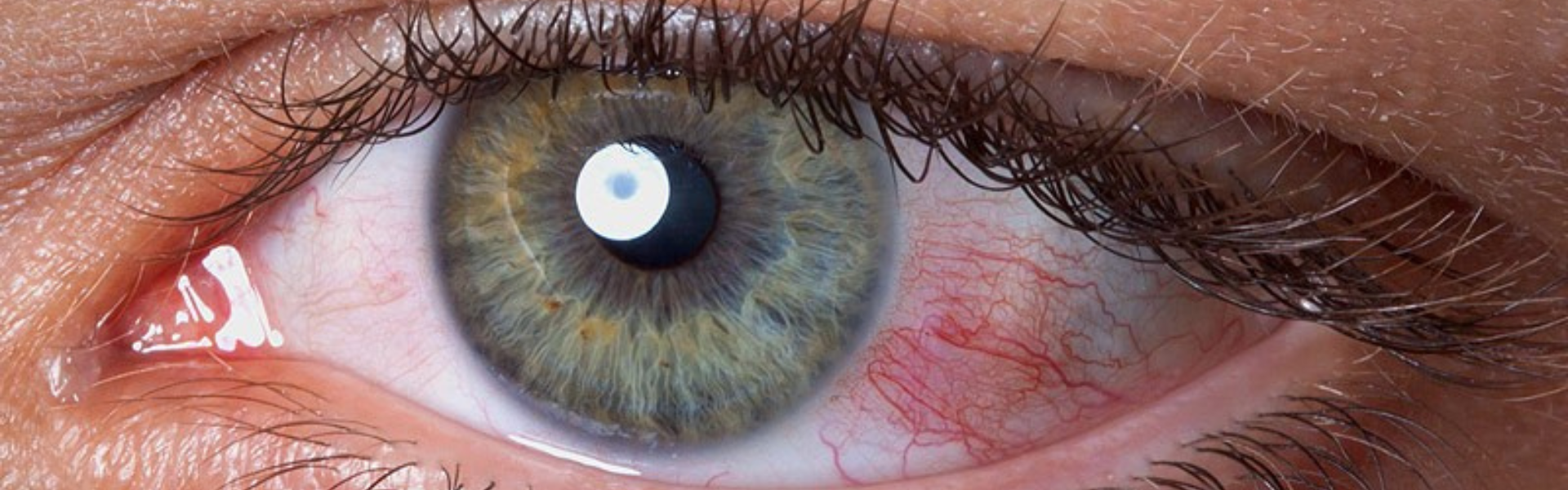
Healthy tears are not just water. They are made up of three carefully balanced layers (oil, water and mucus), each playing a vital role in keeping the surface of your eye smooth and lubricated. When any one of these layers is disrupted, dry eye symptoms can follow.
There Are Several Common Triggers
Screen use
Screen use is one of the biggest contributors. When we stare at a screen, our blink rate drops significantly, which means the tear film is not refreshed as often as it should be. Contact lens wear, certain medications and hormonal changes can all play a part, as can environmental factors such as air conditioning, central heating, wind and cold weather. A diet low in Omega-3 fatty acids is also a contributing factor that is often overlooked.
Age
Age also plays a role. As we get older, our eyes naturally produce fewer tears, and the composition of those tears can change. This is why dry eye symptoms become increasingly common from our forties onwards, particularly in women going through or after the menopause.
Meibomian Gland Dysfunction and Blepharitis
A large proportion of dry eye cases are linked to Meibomian Gland Dysfunction (MGD). The Meibomian glands sit along the edge of your eyelids and produce the oily layer of your tear film. When these glands become blocked or stop functioning well, your tears become too concentrated and begin to damage the surface of your eye, triggering inflammation and perpetuating the problem. MGD is remarkably common and often goes undiagnosed for years.
Closely related is blepharitis, which is inflammation of the eyelids often caused by an overgrowth of bacteria at the base of the eyelashes, or by tiny mites called demodex. Blepharitis can cause itchy, scratchy, crusty or red eyes and frequently occurs alongside MGD. Both conditions are very treatable once properly identified.
How We Assess and Treat Dry Eye
A thorough assessment makes all the difference.
At our practices in Bristol, Nailsea, Bradford on Avon and Trowbridge, we take dry eye seriously. Rather than offering a one-size-fits-all solution, our optometrists carry out a detailed assessment using specialist equipment to understand the precise cause of your dry eye symptoms. This means examining your eyelids, assessing the quality and quantity of your tears, imaging your Meibomian glands, and where needed, checking how well your tear ducts are draining. Only by understanding the root cause can we recommend a treatment plan that genuinely works for you.
Treatment Options That Actually Work
The good news is that dry eye symptoms respond well to treatment. Depending on the cause and severity, we may recommend:
Lid hygiene and warm compresses
Lid hygiene and warm compresses at home to help soften and unblock the Meibomian glands, supported by in-clinic gland expression for a deeper, more thorough result.
Intense Pulsed Light (IPL) therapy
Intense Pulsed Light (IPL) therapy is one of our most effective treatments for MGD. A series of gentle light pulses applied below the eyes stimulates the Meibomian glands, reduces inflammation, addresses demodex and helps restore the quality of the oily tear layer. Most patients complete four sessions and notice a significant difference, with some describing it as life changing.
Blepharitis and demodex treatment
Blepharitis and demodex treatment, which may include a professional deep clean of the eyelid margins using the BlephEx machine, specialist lid wipes or medication where appropriate.
Tear duct syringing or punctal plugs
Tear duct syringing or punctal plugs, depending on whether the issue relates to drainage or a shortage of the watery tear layer.
Preservative free eye drops
Preservative free eye drops tailored to your specific tear film needs, rather than a generic off-the-shelf solution.
Nutritional and lifestyle advice
Nutritional and lifestyle advice, such as Omega-3 intake, screen habits and environmental factors can all make a meaningful difference.
Prescription medication where needed
Prescription medication where needed - several of our optometrists are qualified therapeutic prescribers, meaning they can prescribe a range of treatments including antibiotics for blepharitis, topical steroids and other specialist solutions.
We will always take the time to explain what we find and talk you through your options clearly and without jargon. Our EyeSense plan is a great way to access a full dry eye assessment and a bespoke treatment plan as part of your ongoing eye care.
When Should You Seek Help?
Do not wait until your symptoms are severe. Dry eye is a progressive condition, which means the sooner it is identified and managed, the better the outcome tends to be. If your eyes feel uncomfortable on a regular basis or if you are finding that your vision fluctuates throughout the day, it is time to book an appointment.
Dry eye symptoms are incredibly common, but they are also very treatable, and the right support from an experienced optometrist can make a remarkable difference to your day-to-day comfort and quality of life.
Book your dry eye assessment at one of our practices in Bristol, Nailsea, Bradford on Avon or Trowbridge.

