

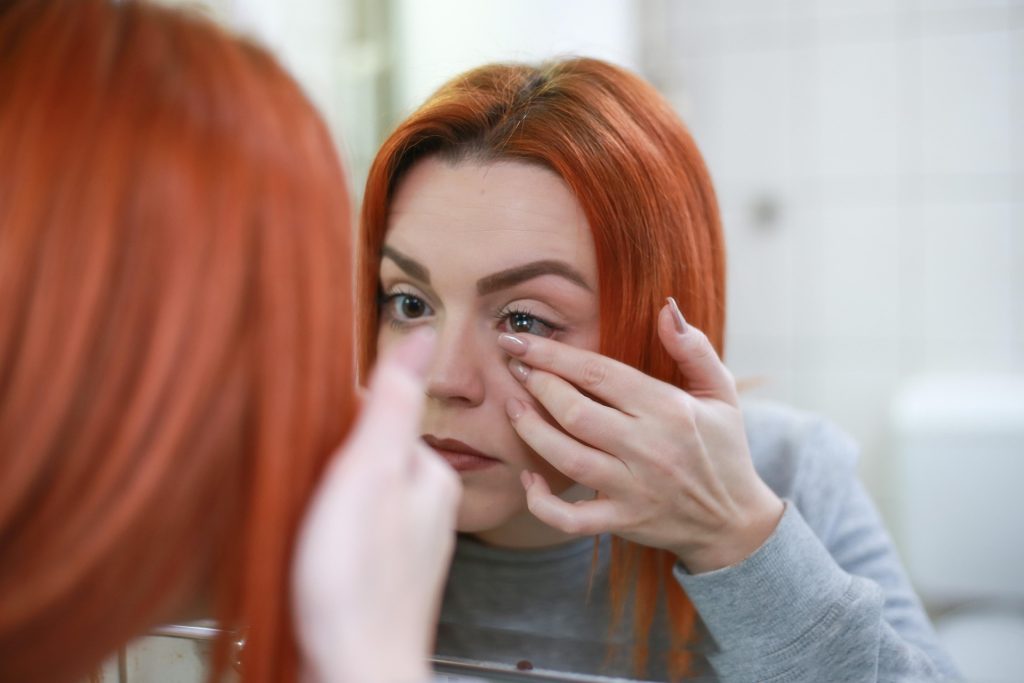
Best Contacts for Dry Eyes: Ultimate Guide
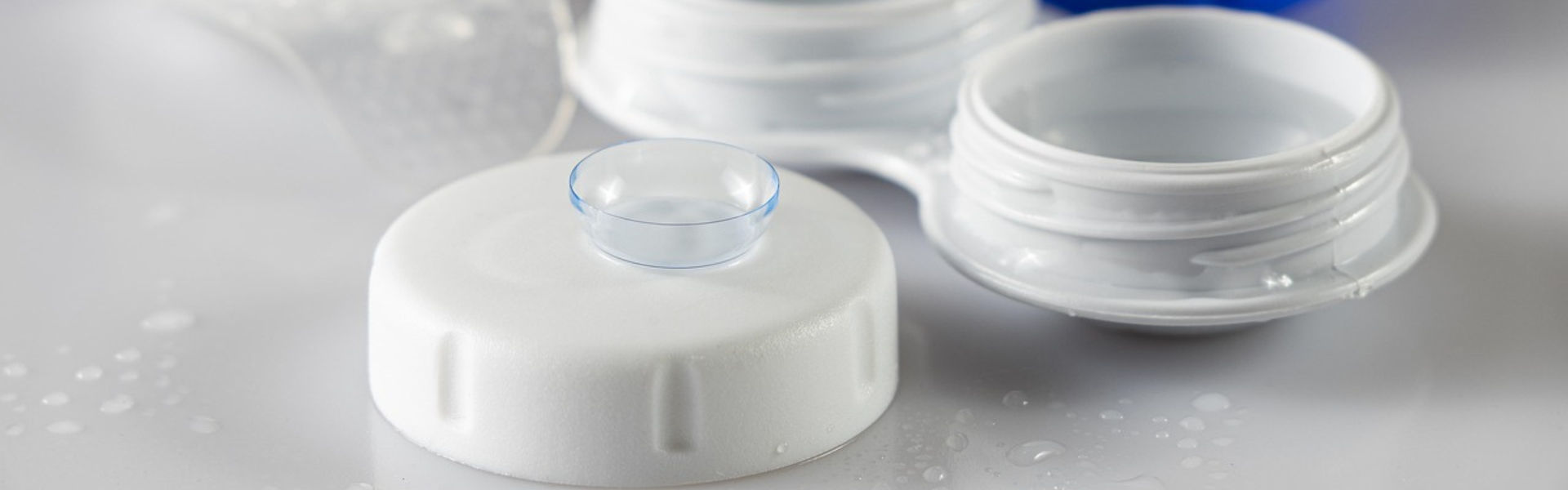
Struggling with dry, gritty, or irritated eyes while wearing contact lenses? You’re not alone. Dry eye syndrome is a common issue, particularly as we get older, but it doesn’t have to mean giving up your contacts. Advances in lens technology and dry eye management mean comfortable, clear vision is still within reach.
This expert guide will help you understand the best contacts for dry eyes, effective dry eyes treatment, and how to build a long-term plan for comfort.
What Causes Dry Eyes (Especially as We Age)?
Dry eye becomes more prevalent as we get older. Our tear film changes, often producing fewer tears or tears of poorer quality that evaporate too quickly.
Key contributing factors include:
-
Reduced tear production, a natural part of ageing for many
-
Hormonal changes, commonly during menopause
-
Environmental factors, including prolonged screen use and air conditioning
-
Medications, such as antihistamines, decongestants, and some blood pressure tablets
-
Blepharitis, inflammation of the eyelids that disrupts oil glands
Interestingly, the same issues that cause dry eyes can also lead to dry skin around the eyes, as the sensitive skin lacks proper lubrication and protection.
Identifying the root cause is the critical first step in any effective dry eye treatment and is essential for selecting the right contacts for dry eyes.
Can You Wear Contacts If You Have Dry Eyes?
Absolutely. While severe, unmanaged dry eye can make lens wear difficult, most people can successfully wear contacts with the right approach.
Successful lens wear with dry eye depends on:
-
A professional eye assessment to diagnose the type and severity of your dry eye
-
Selecting the correct lenses, as not all contacts are suitable for dry eyes
-
Managing the condition, using dry eyes treatment alongside lens wear
Modern contact lenses for dry eyes are made from advanced materials that allow high oxygen flow and retain moisture better than older types. Daily disposable lenses are frequently recommended as the best contact lenses for dry eyes because they eliminate lens deposit buildup, which can further irritate dry eyes.
Lynne's expert tip: Avoid self-selecting lenses or relying solely on comfort eye drops. A tailored plan from an eye care professional is key to long-term success.
While many people search for the best eye drops for dry eyes, lasting comfort is usually achieved through a comprehensive dry eyes treatment plan, with contact lenses forming just one part of the solution.
How to Treat Dry Eyes for Long-Term Lens Comfort
Patients often ask how to get rid of dry eyes or how to cure dry eyes permanently. While some causes can be resolved, for many people dry eye is a long-term condition that can be very well managed.
An effective long-term dry eyes treatment strategy may include:
-
Routine lid hygiene, such as warm compresses and lid cleaning
-
Lifestyle and environmental adjustments, including regular screen breaks and improved hydration
-
In-practice procedures, such as lid expression, IPL, or punctal plugs
-
Prescription eye drops, where clinically appropriate
The goal is not just short-term relief, but a stable and comfortable ocular surface. With proper management, most people can continue to wear contacts for dry eyes comfortably for many years.
When to Seek Expert Help
If you experience persistent dryness, burning, redness, or fluctuating vision, it is important to seek professional advice. A detailed assessment allows a precise diagnosis and a personalised plan that addresses how to manage dry eyes effectively alongside contact lens wear, helping you achieve clear, comfortable vision every day.